Science Experiment Kid Vector: A Creative Guide
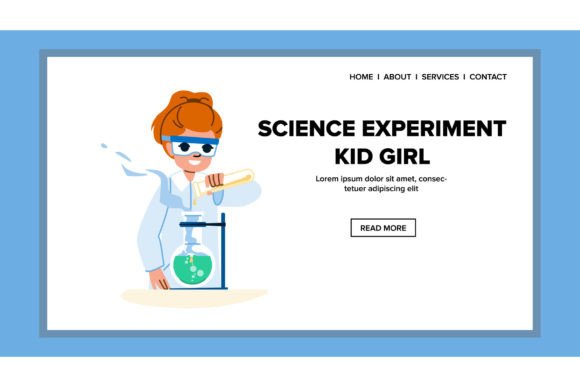
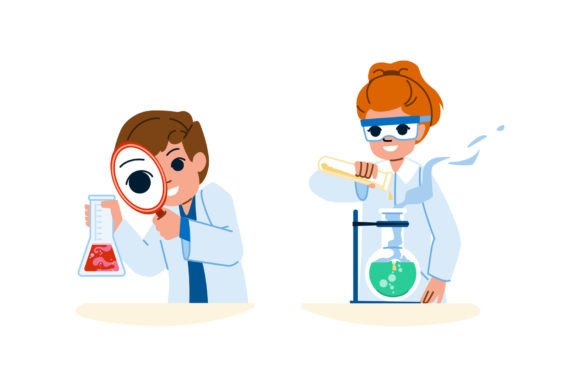
In the rapidly evolving landscape of digital design, finding assets that balance educational value with visual appeal is a constant challenge for creators. The science experiment kid vector has emerged as a versatile solution, bridging the gap between playful illustration and academic rigor. This specific type of flat cartoon illustration features a young student, often depicted as a school girl or boy, engaged in hands-on chemistry or physics activities within a research lab setting. For designers, marketers, and educators, this asset is not merely a decorative element; it is a powerful communication tool that humanizes complex scientific concepts.
When we examine the core components of this illustration style, we see a deliberate focus on clarity and engagement. The character is typically shown wearing safety gear, such as goggles or a lab coat, interacting with beakers, test tubes, or microscopes. This imagery instantly signals themes of learning, curiosity, and discovery. By utilizing a flat cartoon style, the design removes unnecessary visual clutter, allowing the viewer to focus on the action and the educational message. This approach is particularly effective for audiences ranging from early childhood education to adult learners who benefit from simplified, approachable visuals.
Why Flat Cartoon Illustrations Resonate in Education
The popularity of the science experiment kid vector stems from its ability to make intimidating subjects feel accessible. Science, particularly chemistry and laboratory research, can often appear cold or overly technical to younger audiences. A friendly, animated character performing an experiment changes this perception. It transforms the laboratory from a place of strict rules into a playground of possibility. For educators and content creators, this shift in tone is crucial for maintaining student interest and reducing anxiety around STEM subjects.
Furthermore, the flat design aesthetic ensures versatility across various media formats. Whether used in a printed textbook, a mobile app interface, or a social media campaign, the clean lines and bold colors of these vectors remain legible and impactful. The availability of formats like JPG and EPS adds another layer of utility. JPG files are ideal for quick web use, while EPS files allow for infinite scalability without loss of quality, making them perfect for large-format prints such as classroom posters or conference banners.
Creative Applications for Designers and Marketers
For graphic designers and marketing professionals, integrating a scientist chemical science experiment kid character into a brand’s visual identity can signal innovation and trustworthiness. Consider a startup developing educational toys or a nonprofit promoting environmental awareness. Using this vector style allows these organizations to project an image that is both professional and approachable. The character serves as a mascot, guiding the audience through the brand’s story with a sense of wonder and integrity.
Beyond branding, these illustrations are invaluable for user experience design. In e-learning platforms, a recurring character can guide users through modules, providing visual cues for progress and achievement. For instance, a school girl character successfully mixing chemicals could indicate the completion of a lesson, while a confused expression might prompt the user to review previous material. This narrative consistency helps create a cohesive learning journey, making abstract concepts more tangible and memorable.
Tailoring Content for Diverse Audiences
One of the greatest strengths of the science experiment kid vector is its adaptability. Different stakeholders can leverage this asset to meet specific goals. Educators might use it to decorate classroom materials, creating an inviting environment that encourages participation. Publishers can incorporate these images into textbooks to break up dense text, providing visual relief and aiding comprehension. Meanwhile, bloggers and content creators can use them to illustrate articles about parenting tips, homeschooling resources, or DIY science projects.
Entrepreneurs and small business owners in the ed-tech sector can also benefit significantly. By using high-quality vector art, they can enhance the perceived value of their digital products. A well-designed app interface featuring consistent character illustrations suggests attention to detail and professionalism. This subtle cue can influence purchasing decisions, as users often associate visual quality with product reliability. Additionally, freelancers offering design services can use these vectors as building blocks for custom projects, saving time while delivering polished results to clients.
Best Practices for Implementation
To maximize the effectiveness of these illustrations, it is essential to maintain consistency in style and color palette. When using a people flat cartoon illustration, ensure that the character’s design aligns with the overall brand identity. If your brand uses soft pastels, avoid pairing it with harsh, neon-colored vectors unless intentionally contrasting for effect. Consistency builds recognition and trust, helping the audience connect emotionally with the content.
Another critical consideration is context. While the image of a child in a lab is engaging, it must be accurate enough to respect the subject matter. Ensure that the equipment depicted is recognizable and used correctly in the illustration. For example, if the character is holding a test tube, it should be held safely, and safety goggles should be worn. These details matter, especially when targeting educators and parents who value scientific accuracy alongside creativity.
Exploring Variations and Styles
While the standard science experiment kid vector is highly effective, exploring variations can keep content fresh and engaging. Designers might experiment with different ethnicities, genders, and abilities to ensure inclusivity. Representing a diverse range of students in scientific roles promotes the idea that science is for everyone. Additionally, varying the experiments depicted—such as biology, physics, or environmental science—can broaden the applicability of the assets.
Style variations also offer creative opportunities. Some projects may benefit from a more minimalist approach, using simple shapes and limited colors for a modern look. Others might prefer a slightly more detailed illustration with textures and shadows to add depth. Understanding the target audience’s preferences is key. Younger children may respond better to bright, exaggerated features, while older students might appreciate a more realistic, albeit still stylized, representation.
Technical Considerations for Quality Output
When sourcing or creating these vectors, pay close attention to file formats. As mentioned, EPS files are superior for editing and scaling. They allow designers to change colors, adjust shapes, and modify elements to fit specific layout requirements. JPGs, while convenient, are raster images and can pixelate when enlarged. Therefore, always start with the vector format when possible to ensure the highest quality output across all platforms.
Organization is also vital for efficient workflow. Keep your vector assets labeled clearly and stored in logical folders. This practice saves time during the design process and makes it easier to locate specific characters or elements when working on tight deadlines. For teams, establishing a shared library of approved assets ensures that everyone adheres to brand guidelines and maintains visual consistency.
Final Thoughts on Visual Storytelling
The science experiment kid vector is more than just a clipart image; it is a catalyst for engagement and learning. By combining the charm of flat cartoon illustration with the seriousness of scientific inquiry, it creates a unique visual language that resonates with a wide audience. Whether you are an educator looking to inspire students, a marketer aiming to humanize a brand, or a designer seeking versatile assets, this tool offers endless possibilities.
Embrace the potential of these illustrations to tell stories, simplify complex ideas, and foster a love for learning. By applying thoughtful design principles and maintaining a focus on clarity and inclusivity, you can create content that is not only visually appealing but also deeply impactful. Let the curiosity of the education child in your designs inspire your audience to explore, question, and discover the world around them.