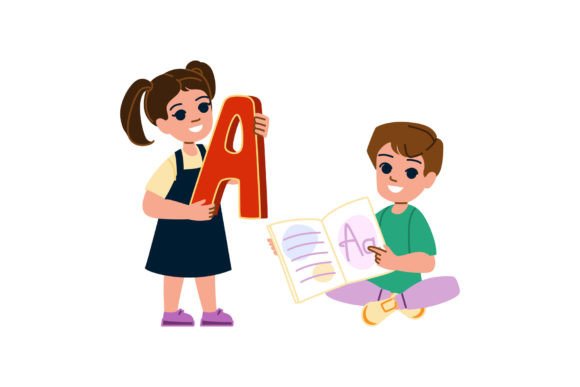
Kid Learning Language Vector Guide
In the fast-paced world of digital content creation, finding the right visual asset can make or break a project. For educators, marketers, and designers working in the education sector, the demand for high-quality, relatable imagery is constant. This is where a Kid Learning Language Vector becomes an invaluable resource. Unlike standard stock photography, which can often feel staged or generic, vector illustrations offer a level of versatility and clarity that is essential for modern communication. Whether you are designing a curriculum for young learners, creating social media content for a tutoring service, or developing materials for a language learning app, these assets provide a clean, professional aesthetic that resonates with both children and adults.
Why Vector Illustrations Outperform Raster Images
When we discuss a kid learning language vector, we are referring to a specific type of digital graphic that uses mathematical equations to define shapes, rather than a grid of pixels. This technical distinction has profound practical implications for creators. The primary advantage is scalability. A vector image can be resized from the dimensions of a business card to the size of a billboard without any loss in quality. For professionals who need to repurpose content across various platforms, this flexibility is crucial.
Consider a scenario where you are an entrepreneur launching a new English tutoring center. You need a logo, flyers, website banners, and interior wall decals. Using a raster image (like a JPEG) would require multiple versions at different resolutions, often resulting in blurry edges when scaled up. With a vector file, typically available in formats like EPS, you have one master file that adapts perfectly to every medium. This not only saves time but also ensures brand consistency across all touchpoints.
Enhancing Educational Materials with Flat Cartoon Styles
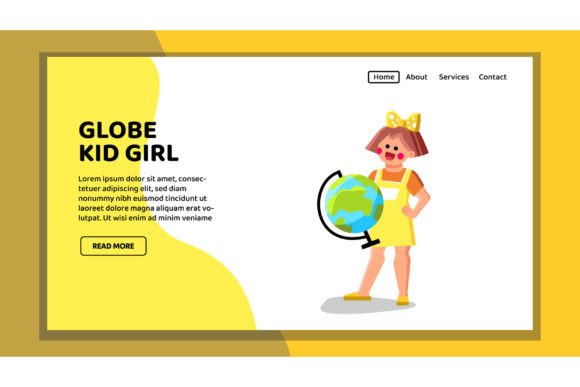
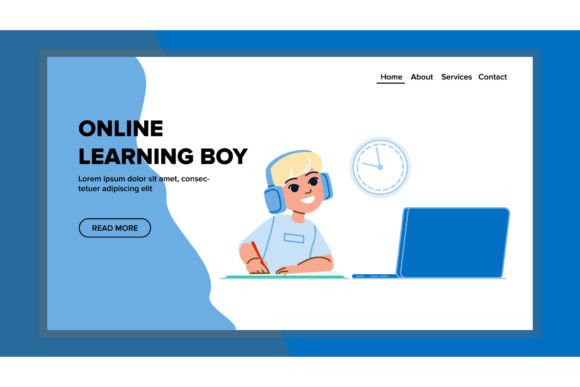
The visual style of your educational materials plays a significant role in student engagement. The "flat cartoon illustration" style, often seen in people flat cartoon illustration sets, is particularly effective for young audiences. This style minimizes visual clutter, allowing the viewer to focus on the core message. When depicting a learn girl or a teacher english interaction, the simplified lines and bold colors help reduce cognitive load for little children who are still developing their reading and comprehension skills.
For educators and publishers, this means that complex concepts can be broken down into digestible visual chunks. A class education scene depicted in a flat style can clearly show the relationship between the teacher and students, the layout of the classroom, and the activity taking place, without the distractions of realistic textures or shadows. This clarity supports the learning process by providing clear visual cues that reinforce the lesson content.
Practical Applications for Marketers and Bloggers
Beyond the classroom, these vectors are powerful tools for digital marketers and bloggers. Content related to child development, language acquisition, and parenting is highly competitive. To stand out, your visuals need to be not only attractive but also relevant. A study lesson kid learning language character can serve as the hero image for a blog post about effective study habits, instantly communicating the topic to the reader.
Furthermore, vector graphics are easily editable. If you are a freelancer creating custom content for a client, you can adjust the colors to match their brand palette or modify elements to better fit the narrative. For instance, if a client wants to emphasize diversity in their little children study group, you can easily swap out characters or adjust skin tones within the vector file. This level of customization is difficult to achieve with traditional stock photos and adds significant value to your service offering.
Understanding File Formats: JPG vs. EPS
When acquiring a Kid Learning Language Vector, you will often encounter two primary formats: JPG and EPS. Understanding the difference is key to using these assets effectively. JPG files are raster images, meaning they are made of pixels. They are ready to use immediately for web projects, social media posts, or simple documents. However, they cannot be scaled up without losing quality, and the background is usually fixed.
EPS files, on the other hand, are the true vector format. They contain the mathematical data that allows for infinite scaling and editing. To use an EPS file, you need vector editing software like Adobe Illustrator or Inkscape. While this requires a bit more technical skill, the payoff is immense. You can isolate individual elements, change colors, and resize the image for any purpose. For professionals, having access to the EPS file is non-negotiable for long-term usability and flexibility.
Who Benefits Most from These Assets?
The utility of a kid learning language vector extends to a wide range of professionals. Educators can use them to create engaging worksheets and presentations that capture the attention of little children. Small business owners running tutoring centers or daycare facilities can use them for branding and marketing materials to convey a friendly, approachable image. Freelance designers can incorporate them into larger projects for clients in the education or parenting niches, speeding up their workflow significantly.
Publishers of children’s books or educational apps will find these vectors indispensable for creating consistent character designs. By using a cohesive set of people flat cartoon illustration assets, they can maintain visual continuity throughout their product, which helps in building a recognizable brand identity. Even hobbyists creating homemade learning materials for their own children can benefit from the high quality and ease of use these vectors provide.
Considerations for Effective Use
While vector illustrations offer numerous advantages, it is important to use them thoughtfully. Overusing clip-art styles can sometimes make a design feel impersonal if not customized. To avoid this, consider combining vector elements with other design components, such as typography or texture, to create a unique look. Additionally, ensure that the cultural context of the illustrations aligns with your target audience. A learn girl or teacher english character should reflect the diversity and inclusivity of the real-world classrooms they represent.
Another consideration is licensing. Always check the usage rights associated with the vector files you purchase. Some licenses may restrict commercial use or require attribution. Understanding these terms ensures that you can use the assets legally and ethically in your projects.
Final Thoughts on Visual Communication
In conclusion, a Kid Learning Language Vector is more than just a decorative element; it is a strategic tool for effective communication. By leveraging the scalability, editability, and clarity of vector graphics, professionals can create compelling content that resonates with their audience. Whether you are simplifying complex lessons for little children or enhancing the visual appeal of your marketing campaigns, these assets provide the foundation for high-quality, impactful design. As the demand for digital education content continues to grow, mastering the use of these versatile illustrations will remain a valuable skill for creators and educators alike.