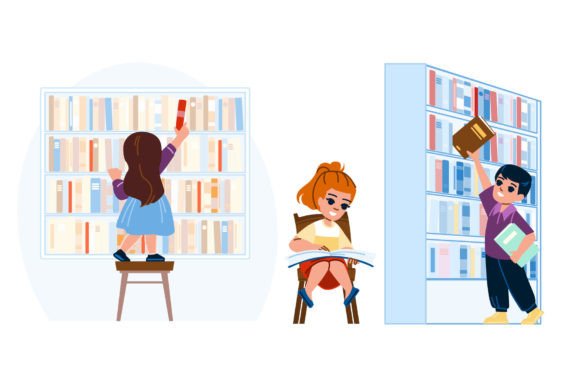
Library Kid Vector: Strategic Visual Assets for Educational and Creative Branding
In the modern digital landscape, visual communication is not merely an aesthetic choice; it is a fundamental component of strategic positioning. For educators, publishers, ed-tech startups, and content creators, the right imagery can bridge the gap between complex information and user engagement. This is where specific, high-quality assets like the Library Kid Vector become invaluable tools. Rather than relying on generic stock photography that often feels disconnected from brand identity, utilizing a carefully crafted vector illustration allows for precise alignment with educational values, childhood curiosity, and institutional credibility.
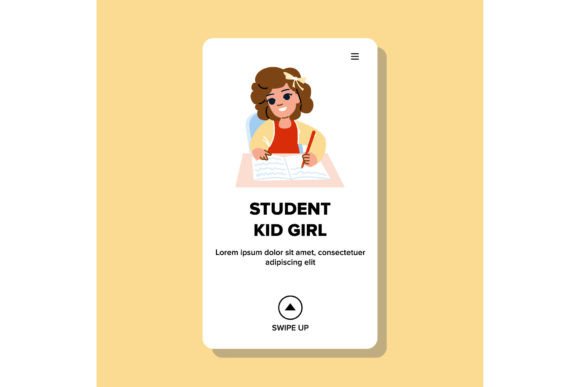
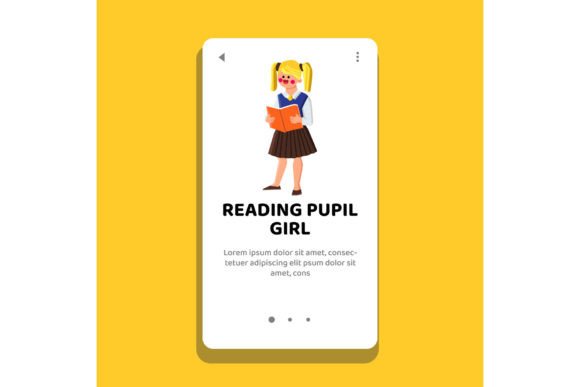
The concept of the library kid character—a young student immersed in books, surrounded by knowledge—resonates deeply with audiences seeking authenticity in learning environments. When executed as a flat cartoon illustration, this imagery strips away unnecessary visual noise, focusing the viewer’s attention on the core message: education, growth, and discovery. Understanding how to leverage this asset effectively requires more than just downloading a file; it demands a thoughtful approach to integration, context, and long-term brand consistency.
Defining the Strategic Value of Flat Cartoon Illustrations
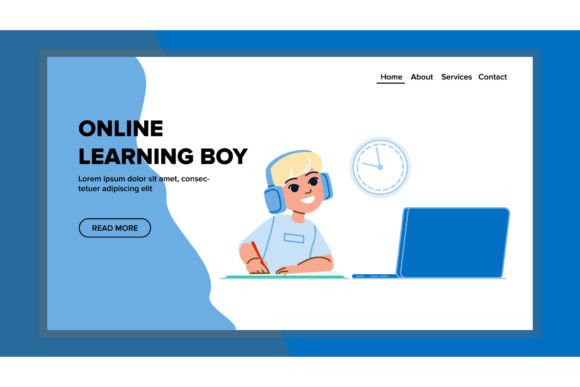
Flat design has dominated digital interfaces for over a decade, and its longevity is no accident. By removing gradients, shadows, and realistic textures, flat cartoon illustrations offer clarity and speed. For a library kid vector, this style is particularly effective because it universalizes the subject. The character is not tied to a specific photographic reality, which allows it to adapt seamlessly across various cultural contexts and media formats. Whether used in a mobile app interface, a printed brochure, or a social media campaign, the clean lines and bold colors of a flat illustration ensure legibility and immediate recognition.
From a business perspective, using vector graphics offers significant operational advantages. Unlike raster images (such as JPGs at fixed resolutions), vector files (such as EPS) are mathematically defined. This means they can be scaled infinitely without loss of quality. For a small business owner or a marketing director, this flexibility translates into cost efficiency. You do not need to purchase multiple versions of the same image for different use cases. One Library Kid Vector file can serve as a tiny icon in a website footer and a massive banner on a conference booth, maintaining crisp edges and professional polish throughout.
Aligning Visuals with Educational and Brand Goals
Before integrating any visual asset, decision-makers must ask: What goal does this image serve? In the context of education and literature, the library kid character symbolizes several key attributes: curiosity, diligence, and the joy of learning. These are not just abstract concepts; they are emotional triggers that influence consumer behavior and student engagement.
For educators and school administrators, using such imagery in newsletters, websites, or classroom materials helps create a welcoming and stimulating environment. It signals to parents and students that the institution values traditional literacy while embracing modern, accessible design. For ed-tech companies, the boy book motif can humanize technology, reminding users that behind every algorithm and digital platform is the fundamental human desire to learn and grow.
Consider the psychological impact of the "little library kid character." It evokes nostalgia and trust. Adults aged 20–50, who are often the decision-makers purchasing educational resources or selecting schools for their children, respond positively to imagery that reflects safety, structure, and intellectual development. By strategically placing this vector in your communication channels, you are not just decorating a page; you are reinforcing your brand’s commitment to these values.
Practical Applications Across Industries
The versatility of the Library Kid Vector allows for diverse applications. Here are several practical scenarios where this asset can drive better results:
- Content Marketing and Blogging: Break up long-form text with relevant illustrations. A vector of a student studying can serve as a header image for articles about study tips, literacy rates, or educational technology, increasing time-on-page and reader retention.
- E-Learning Modules: Use the character as a guide or mascot within online courses. Consistent visual cues help learners navigate complex material, reducing cognitive load and improving completion rates.
- Social Media Campaigns: Flat illustrations perform exceptionally well on platforms like Instagram and LinkedIn because they stand out against the clutter of photographic feeds. Use the library kid to highlight quotes, book recommendations, or educational milestones.
- Print Materials: From flyers to annual reports, the EPS format ensures high-resolution printing. Use the imagery to soften dry data, making statistical reports on literacy or school performance more approachable and engaging.
Each of these use cases requires a slightly different approach. For digital use, focus on color contrast and screen readability. For print, ensure that the vector paths are clean and that colors are converted to CMYK if necessary. Understanding these technical nuances prevents costly errors and ensures a professional final product.
Risks of Contextless Implementation
While the library kid vector is a powerful tool, it is not a panacea. One of the most common mistakes creators make is using visual assets without clear strategic intent. Dropping a cartoon character into a serious financial report or a high-stakes academic paper without proper context can undermine credibility. The tone must match the medium.
Furthermore, overuse can lead to visual fatigue. If every section of a website features the same character in similar poses, the imagery loses its impact. Strategic variation is key. Consider using the vector in different scenarios: reading alone, discussing with peers, or exploring a digital tablet. This narrative progression keeps the audience engaged and demonstrates the multifaceted nature of modern education.
Another risk is cultural insensitivity. While flat design aims for universality, details matter. Ensure that the character’s appearance and surroundings are inclusive and representative of your target audience. A thoughtful review of the illustration’s elements can prevent alienating potential customers or students.
Technical Considerations: JPG vs. EPS
Understanding the file formats associated with the Library Kid Vector is crucial for effective implementation. Most providers offer both JPG and EPS formats, each serving distinct purposes.
JPG (Joint Photographic Experts Group): This is a raster format, meaning it is composed of pixels. It is ideal for web use where file size matters. JPGs load quickly and are universally supported by all browsers and devices. However, they cannot be scaled up without becoming pixelated. Use JPGs for blog posts, social media uploads, and email newsletters where the image dimensions are fixed.
EPS (Encapsulated PostScript): This is a vector format, composed of mathematical paths. It is the preferred choice for professional design work. EPS files can be opened and edited in software like Adobe Illustrator, allowing you to change colors, adjust shapes, or remove background elements. This level of customization is essential for maintaining brand consistency. If your brand colors are specific shades of blue and green, you can edit the EPS file to match exactly, rather than settling for the default colors in a JPG. Use EPS for logos, large-format prints, and any design project requiring scalability.
Making Intentional Design Decisions
To maximize the return on investment for your visual assets, adopt a planning mindset. Before downloading or purchasing a library kid vector, define your objectives. Are you trying to appear friendly and approachable? Or are you aiming for authority and tradition? The style of the flat cartoon—whether it is playful and colorful or muted and minimalist—should reflect this goal.
Integrate the vector into a broader visual language. Do not let it stand alone. Pair it with complementary typography, consistent color palettes, and ample white space. This holistic approach ensures that the illustration enhances the overall user experience rather than distracting from it.
Finally, measure the impact. Track engagement metrics on content featuring the new imagery. Did click-through rates improve? Did time-on-page increase? Use this data to refine your strategy. Visual design is not static; it is an iterative process that responds to audience feedback and changing trends.
In conclusion, the Library Kid Vector is more than a simple graphic; it is a strategic asset that, when used intentionally, can enhance communication, strengthen branding, and support educational goals. By understanding its technical properties, aligning it with clear objectives, and avoiding common pitfalls, professionals can leverage this tool to create meaningful connections with their audience. Whether you are a freelancer designing a client’s website or a marketer launching a new campaign, thoughtful integration of high-quality vector illustrations can significantly elevate your output and drive better long-term results.