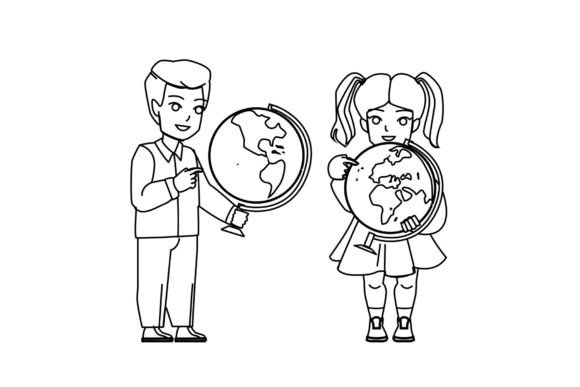
Kid Globe Vector: Designing for Education
In the fast-paced world of visual communication, a single image can instantly convey complex ideas about learning, exploration, and global citizenship. For designers working in education, children's publishing, or non-profit sectors, finding the right creative assets is crucial to capturing attention and delivering a message effectively. The Kid Globe Vector illustration serves as a powerful tool in this regard, offering a versatile and scalable solution that bridges the gap between playful aesthetics and professional design standards.
The Power of Visual Metaphors in Brand Identity
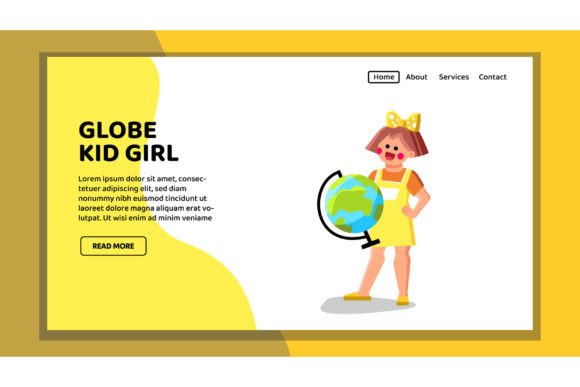
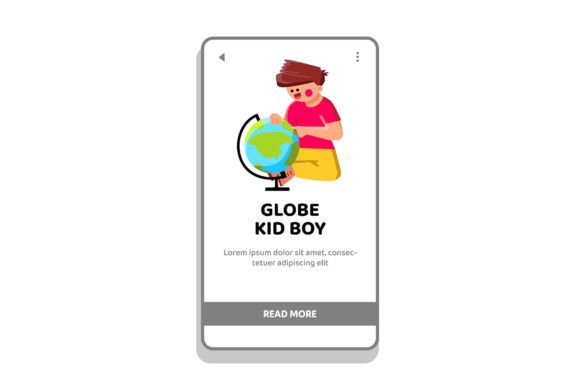
When crafting a brand identity for educational institutions or child-focused products, the imagery chosen must resonate with both young audiences and their guardians. A kid globe vector character—often depicted as a boy or girl interacting with the planet—acts as an immediate visual shorthand for geography, science, and curiosity. Unlike static photographs, vector graphics provide unparalleled flexibility. They allow designers to manipulate scale without losing quality, making them ideal for everything from tiny mobile app icons to massive outdoor billboards.
This type of illustration supports a modern aesthetic while maintaining clarity. In the realm of branding, consistency is key. Using a high-quality vector asset ensures that your visual language remains sharp across all touchpoints. Whether you are designing a logo for a new school program or creating packaging for educational toys, the scalability of vector files (such as EPS) guarantees that your design retains its integrity at any size.
Practical Applications Across Media
The versatility of these creative assets extends far beyond simple decoration. Here is how integrating a kid globe character can enhance various design projects:
- Logo Design: Create a memorable mark for tutoring centers, travel agencies for families, or environmental NGOs that emphasizes youth and global awareness.
- Web and UI Design: Use these illustrations as hero images or iconography to improve user experience on educational websites, ensuring the interface feels friendly and approachable.
- Social Media Graphics: Generate engaging posts for digital marketing campaigns that highlight earth day, back-to-school themes, or geography quizzes.
- Editorial and Print Design: Enhance textbooks, worksheets, and magazines with vibrant visuals that break up text and maintain student engagement.
- Packaging and Merchandise: Apply the artwork to t-shirts, notebooks, or toy boxes, where the crisp lines of vector art translate beautifully into print production.
Optimizing Your Design Workflow
Selecting the right graphic is only the first step; implementing it effectively requires a strategic approach to visual hierarchy and composition. When using a kid globe vector, consider how the character interacts with other elements like typography and color palettes. The roundness of the globe often pairs well with rounded sans-serif fonts, reinforcing a sense of softness and accessibility suitable for children's content.
Color plays a pivotal role in conveying emotion and information. While traditional maps use blues and greens, modern design trends encourage experimenting with bold, flat colors to make the illustration pop against white backgrounds or dark modes. Ensure that the chosen color palette aligns with your existing brand guidelines to maintain a cohesive professional presentation.
Furthermore, file format matters significantly in the design workflow. While JPGs are useful for web previews and social media sharing, always secure the original EPS or SVG files for production. These formats preserve the mathematical paths of the vector, allowing you to edit individual elements, change colors, or resize the artwork without pixelation. This flexibility is essential for adapting one core asset into multiple variations for different campaigns.
Evaluating Quality and Relevance
Not all illustrations serve every purpose equally. When evaluating a kid globe vector for your project, look for clean lines, balanced proportions, and a style that matches your target demographic. Avoid overly cluttered details that might get lost when scaled down for a favicon or app icon. Instead, opt for designs that prioritize readability and clear silhouettes.
Think about the narrative you want to tell. Is the character holding a book to emphasize study? Are they standing confidently to represent empowerment? The subtle details in the illustration can reinforce your messaging, turning a generic image into a tailored component of your creative strategy. By choosing assets that align with your specific goals, you ensure that every visual element contributes to a stronger, more effective communication piece.
Ultimately, the impact of your design lies in the thoughtful integration of these elements. High-quality creative assets like the kid globe character do more than just fill space; they tell a story, evoke emotion, and clarify complex concepts. By leveraging the power of vector graphics, designers can create timeless, adaptable, and visually stunning work that resonates with audiences worldwide, proving that great design is both an art and a strategic necessity.