Visualizing Knowledge: The Strategic Value of High-Quality Education and School Icons in Modern Design
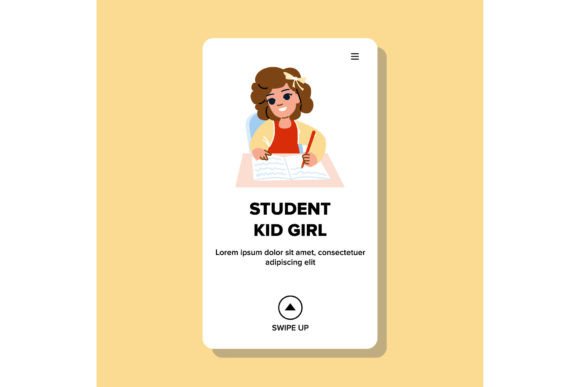
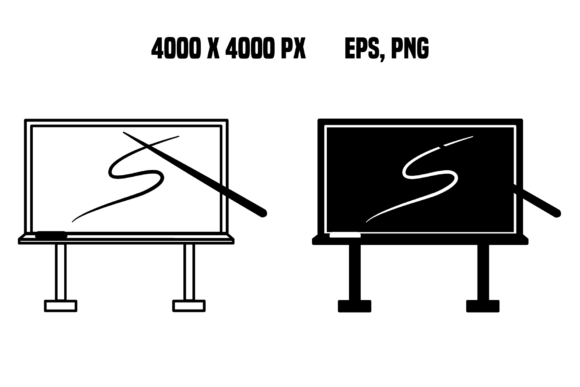
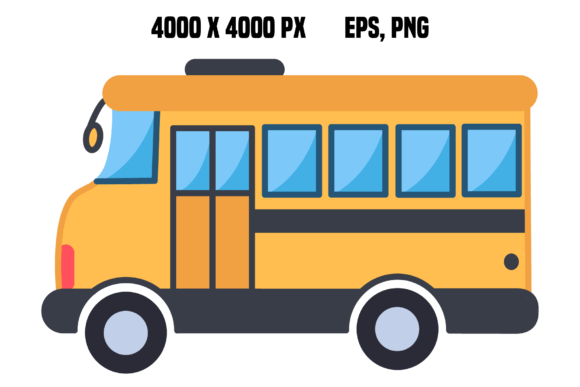
In the contemporary digital landscape, visual communication has transcended mere aesthetics to become a fundamental pillar of user experience and brand identity. Nowhere is this shift more evident than in the education sector, where clarity, engagement, and accessibility are paramount. Education Icons, School Icons, and broader Learning imagery have evolved from simple decorative elements into essential tools for educators, marketers, and content creators. These assets serve as universal languages, bridging gaps between complex pedagogical concepts and immediate user understanding.
The demand for versatile, high-resolution graphic resources reflects a broader trend toward professionalization in freelance and entrepreneurial workflows. Creators are no longer satisfied with low-quality clip art; they require robust, scalable, and multi-format asset libraries that can withstand the rigors of both digital screens and physical print. This article explores the strategic importance of these visual tools, examining how they fit into current market trends and why a comprehensive collection—such as one containing 42 files across seven distinct formats—is an indispensable resource for modern professionals.
The Evolution of Educational Visual Assets
Historically, educational materials relied heavily on text-heavy layouts with occasional static illustrations. However, the cognitive load associated with processing dense information has led to a significant pivot toward visual learning aids. Education Icons function as cognitive anchors, allowing learners to quickly categorize information and navigate interfaces with intuitive ease. Whether used in e-learning modules, university brochures, or kindergarten classroom decorations, these icons reduce friction and enhance retention.
This evolution is driven by changing consumer expectations. Today’s audiences, accustomed to the sleek interfaces of major tech platforms, expect a similar level of polish from educational products. A poorly designed icon can undermine the perceived credibility of an entire course or institution. Conversely, crisp, well-crafted School Icons signal professionalism and attention to detail. This is particularly relevant for entrepreneurs launching ed-tech startups or freelancers designing materials for private tutors, where brand perception directly influences customer acquisition.
Meeting the Demand for Multi-Platform Versatility
One of the most significant challenges facing modern designers is the fragmentation of media channels. A single design concept may need to be deployed across a mobile app, a printed textbook, a promotional t-shirt, and a social media campaign. This is where the technical specifications of your graphic assets become critical. A collection that offers only a single file format is inherently limited and often requires additional conversion steps that can degrade quality.
Consider the practical implications of receiving a comprehensive zip file containing 7 folders and 42 files. This structure is not merely about quantity; it is about workflow efficiency and technical adaptability. By including PNG, SVG, EPS, AI, PDF, and JPEG files, such a collection addresses the full spectrum of design needs:
- PNG Files: With transparent backgrounds and high resolution (300 dpi), these are ideal for web graphics, digital paper, and overlaying images on complex backgrounds without unsightly white boxes.
- SVG and EPS Files: These vector formats are essential for scalability. They allow designers to resize icons from a small favicon to a large billboard without any loss of clarity, making them perfect for responsive web design and large-format printing.
- AI and PDF Files: These provide editable source files for professional designers using Adobe Illustrator or similar software, enabling customization of colors and shapes to match specific brand guidelines.
- JPEG Files: While less flexible than vectors, high-resolution JPEGs remain a standard for quick previews and certain print applications where transparency is not required.
This diversity ensures that whether you are creating web graphics or preparing files for print, you have the appropriate tool at hand. It eliminates the bottleneck of file conversion and ensures that the final output maintains its integrity across all mediums.
Beyond the Screen: Applications in Print and Lifestyle Products
While digital usage is dominant, the resurgence of tactile and physical products has created a renewed demand for high-quality printable assets. The phrase "these beautiful icons are good for print" underscores a vital market segment: the creator economy. Freelancers and small business owners are increasingly leveraging print-on-demand services and handmade goods to generate revenue. In this context, Learning themed illustrations are not just functional; they are decorative and emotional.
These illustrations are suitable for a wide array of physical applications. For instance, t-shirts featuring minimalist school icons have become popular among teachers and students as symbols of pride and community. Similarly, invitation cards for graduation parties, back-to-school events, or teacher appreciation days benefit from cohesive thematic graphics. The versatility extends to decorations and cupcakes, where edible prints or toppers require sharp, clean lines that only high-resolution vectors or 300 dpi raster images can provide.
Furthermore, the application of these icons in embroidery and packaging design highlights their structural simplicity. Complex gradients often fail in embroidery, but well-designed icons with clear boundaries translate beautifully into stitch patterns. For packaging, consistent iconography helps brands communicate values quickly on crowded shelves. A bag of organic school supplies or a set of educational toys gains immediate recognition through familiar, trusted visual cues.
Enhancing Brand Identity Through Consistent Iconography
For marketers and brand strategists, consistency is key. A badge collection that is great for greeting cards, bags, party announcements, and mugs allows for a unified brand voice across disparate touchpoints. When a customer sees the same style of School Icons on a website, a physical product, and a social media post, it reinforces brand recall. This cohesion builds trust and perceived value.
Consider a tutoring center launching a new marketing campaign. They might use the same set of icons for their digital ads, their printed flyers, and the merchandise they give away to students. This integrated approach ensures that the visual identity remains strong regardless of the medium. The availability of multiple file formats means that the marketing team does not need to hire separate designers for digital and print tasks; the same asset library serves both purposes effectively.
Aligning with Broader Industry and Consumer Trends
The popularity of Education Icons and Learning graphics is not an isolated phenomenon. It aligns with several macro-trends shaping the creative and business landscapes. First, there is the continued growth of the e-learning market. As more institutions move online, the need for engaging, visually appealing course materials has skyrocketed. Icons help break up text, guide navigation, and make complex subjects more approachable.
Second, there is a growing emphasis on personalized and experiential learning. Parents and educators are seeking ways to make learning fun and tangible. This drives demand for creative resources that can be used in DIY projects, homeschooling curricula, and classroom activities. The ability to download a zip file with 42 ready-to-use files empowers non-designers to create professional-looking materials, democratizing access to high-quality design.
Third, the rise of the "creator economy" has turned many individuals into micro-entrepreneurs. People are selling digital planners, printable worksheets, and custom merchandise on platforms like Etsy and Teachers Pay Teachers. For these sellers, having access to commercial-use, high-resolution assets is crucial. A collection that includes transparent PNGs and vector files provides the flexibility needed to create unique products that stand out in a competitive marketplace.
Practical Observations for Professionals
For professionals integrating these assets into their workflows, several best practices emerge. Always start with the vector formats (SVG, EPS, AI) when possible, as they offer the greatest flexibility. Use PNGs for web-based projects where transparency is required, ensuring that the 300 dpi resolution is maintained for retina displays. When preparing files for print, such as fabrics or packaging, verify color profiles (CMYK vs. RGB) to ensure accurate reproduction.
Moreover, consider the semantic context of the icons. Choose images that resonate with your specific audience. For early childhood education, playful and colorful designs may be appropriate. For higher education or corporate training, minimalist and monochromatic styles might convey seriousness and sophistication. The right choice depends on the emotional tone you wish to establish.
Conclusion: Investing in Quality Visual Resources
In conclusion, Education Icons, School Icons, and Learning illustrations are more than just decorative elements; they are strategic assets that enhance communication, strengthen brand identity, and improve user experience. As the boundaries between digital and physical media continue to blur, the need for versatile, high-quality graphic resources will only grow. A comprehensive collection offering multiple file formats and high resolution provides the foundation for creative success across various applications, from web graphics to embroidered fabrics.
By understanding the broader trends driving this demand and leveraging the technical advantages of diverse file types, professionals can create more impactful and cohesive designs. Whether you are a marketer launching a new campaign, a teacher creating engaging materials, or an entrepreneur building a brand, investing in high-quality iconography is a decision that yields long-term dividends in clarity, professionalism, and audience engagement.