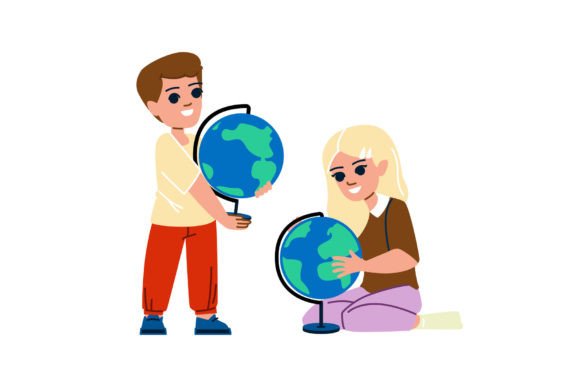
Geography Kid Vector: Evaluating Flat Cartoon Illustrations for Modern Educational Design
In the evolving landscape of educational content creation, visual assets play a pivotal role in engaging young learners. Among the myriad of design resources available, the Geography Kid Vector has emerged as a distinct and versatile choice for designers, educators, and publishers. This specific style of illustration combines the approachable nature of flat cartoon characters with the academic context of geography, creating a bridge between complex global concepts and accessible learning materials. Whether you are developing a new textbook, designing an e-learning module, or creating marketing materials for an educational app, understanding the nuances of this asset type is crucial for making informed decisions about your visual strategy.
The core appeal of a geography kid vector lies in its ability to humanize abstract data. Instead of presenting dry maps or statistical charts, these illustrations feature relatable characters—often depicted as a map boy or a girl class geography kid character—who interact with globes, atlases, and world maps. This personification helps reduce cognitive load for students, allowing them to connect emotionally with the subject matter. For adults aged 20–50 who are responsible for curating or creating educational resources, the decision to use such vectors involves balancing aesthetic appeal with functional utility.
Defining the Aesthetic: Flat Cartoon Illustration and Character Design
When we discuss the Geography Kid Vector, we are primarily referring to a specific artistic direction: people flat cartoon illustration. This style is characterized by clean lines, solid colors, and a lack of complex shading or three-dimensional depth. The simplicity of flat design ensures that the focus remains on the action or the concept being taught, rather than getting lost in artistic details. In the context of a school globe or world education theme, this clarity is invaluable.
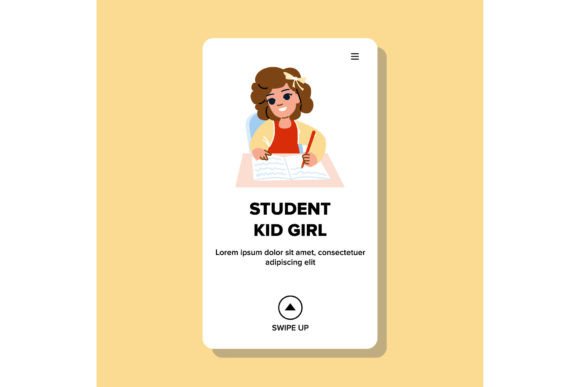
The characters themselves are typically designed to be inclusive and diverse. You might encounter a variety of representations, from a curious boy pointing at a continent to a girl holding a magnifying glass over a map. These figures are not just decorative; they serve as guides. In user experience design terms, they act as visual anchors that direct the learner’s attention. The "cute" aspect of the study cute aesthetic is not merely about charm; it is a psychological tool used to lower anxiety around difficult subjects. By presenting geography through friendly, non-threatening avatars, creators can foster a more positive learning environment.
Format Considerations: JPG vs. EPS in Professional Workflows
One of the most critical technical decisions when acquiring a Geography Kid Vector is understanding the file formats provided, specifically JPG and EPS. For professionals evaluating resources, knowing the difference between these two is essential for long-term usability.
JPG (Joint Photographic Experts Group) files are raster images. They are composed of pixels and are ideal for immediate use in web-based applications, social media posts, or quick presentations where editing is not required. However, JPGs have a significant limitation: they do not scale well. If you enlarge a JPG of a map boy for a large classroom poster, the image will become pixelated and blurry. Therefore, JPGs are best suited for final-output scenarios where the dimensions are fixed and known in advance.
In contrast, EPS (Encapsulated PostScript) files are vector-based. This is the gold standard for professional design work. Vector graphics use mathematical equations to define shapes, meaning they can be scaled to any size without losing quality. Whether you need a tiny icon for a mobile app or a massive banner for a conference hall, an EPS file of a girl class geography kid character will remain crisp and clear. Furthermore, EPS files allow for extensive customization. Designers can change colors to match brand guidelines, adjust line weights, or modify individual elements of the illustration. For those comparing options, the availability of EPS formats often indicates a higher-quality, more flexible resource worth the investment.
Comparing Approaches: When to Choose Character Vectors Over Traditional Maps
While traditional cartography remains essential for accurate geographic representation, it often lacks the engagement factor required for younger audiences or introductory courses. Here, the Geography Kid Vector offers a compelling alternative. It is important to evaluate where this style fits within your broader content strategy.
- Engagement vs. Precision: If the primary goal is to teach precise coordinates, topographical details, or political boundaries, a standard high-resolution map is superior. However, if the goal is to introduce the concept of continents, cultures, or global connectivity, a character interacting with a school globe provides a narrative hook that static maps cannot.
- Versatility in Layouts: Flat cartoon illustrations are easier to integrate into modern web designs and mobile interfaces. Their clean aesthetics align well with contemporary UI/UX trends, whereas detailed traditional maps can clutter small screens.
- Emotional Connection: Characters create empathy. A student may feel more inclined to explore a topic if they see a peer-like figure expressing curiosity or joy. This emotional resonance is a key benefit of using people flat cartoon illustration in educational contexts.
However, there are tradeoffs. Over-reliance on cute characters can sometimes trivialize serious topics. For advanced high school or university-level materials, the whimsical nature of a study cute aesthetic might appear incongruous with the academic rigor expected. In such cases, these vectors should be used sparingly, perhaps only in introductory modules or sidebars, rather than as the primary visual language.
Practical Use Cases and Decision Factors
To determine if a Geography Kid Vector is the right choice for your project, consider the following practical scenarios. These examples highlight where this asset type excels and where alternatives might be more appropriate.
E-Learning Modules and Apps: In digital environments, interactivity is key. Vector assets can be easily animated. A map boy character can be programmed to point at different regions as the user progresses through a lesson. The scalability of EPS files ensures that the graphics look sharp on both tablets and desktop monitors. Here, the investment in vector formats pays off through enhanced user experience and adaptability.
Printed Textbooks and Worksheets: For print media, consistency is vital. Using a cohesive set of geography kid vector illustrations throughout a textbook creates a unified visual identity. Teachers often appreciate worksheets that feature friendly characters, as they make homework feel less like a chore. The ability to recolor vectors to fit black-and-white printing constraints is another significant advantage of the EPS format.
Marketing and Branding for Educational Institutions: Schools and tutoring centers often struggle to convey warmth and approachability. A well-designed vector of a girl class geography kid character can soften the institutional image, making the organization appear more welcoming to parents and students. In this context, the aesthetic serves a branding function, distinguishing the institution from more rigid, traditional competitors.
Evaluating Quality and Authenticity
Not all vectors are created equal. When sourcing a Geography Kid Vector, pay attention to the construction of the artwork. High-quality flat cartoon illustrations will have organized layers, logical grouping of elements, and consistent stroke widths. Poorly constructed vectors may have unnecessary anchor points or disjointed paths, making them difficult to edit.
Additionally, consider cultural sensitivity. World education implies a global perspective. Ensure that the characters and symbols used in the illustrations are inclusive and respectful. Avoid stereotypes in the depiction of the map boy or girl class geography kid character. The best resources offer diverse representations that reflect the multicultural nature of geography itself.
Ultimately, the decision to use a Geography Kid Vector should be driven by your specific audience and learning objectives. For early childhood education, elementary schools, and informal learning platforms, these assets offer an unmatched blend of clarity, charm, and flexibility. By choosing the right format—preferably EPS for maximum versatility—and integrating these characters thoughtfully, you can enhance the educational experience without compromising on professional standards. Always weigh the need for engagement against the requirement for precision, and let the context of your project guide your selection.